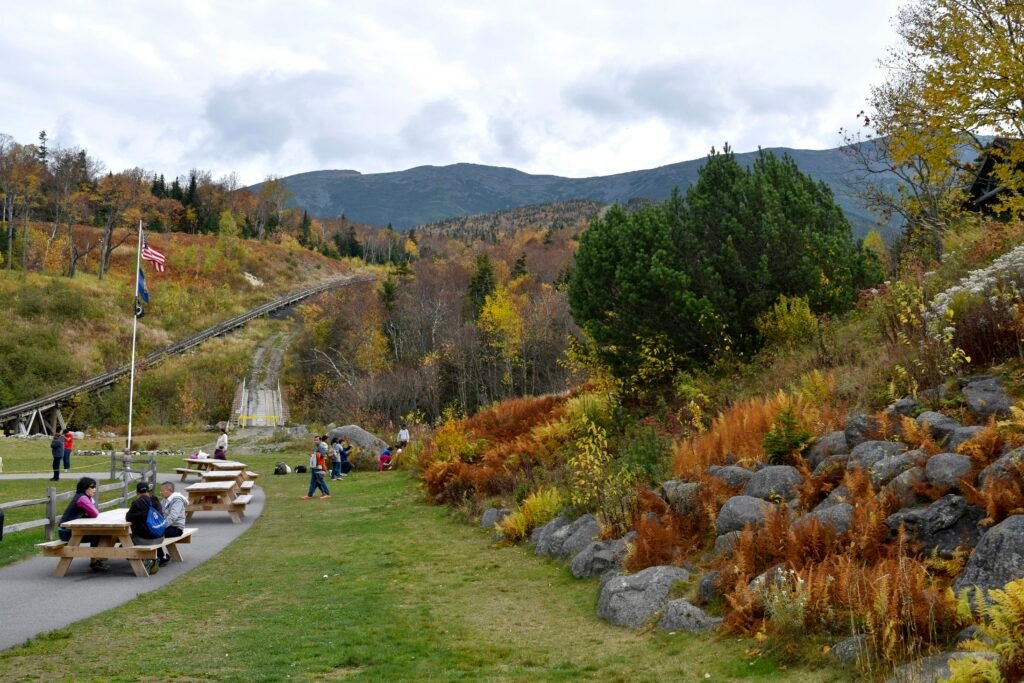
Introduction to Eastern National Parks
The eastern United States is home to a rich tapestry of national parks that showcase both ecological diversity and historical significance. These parks serve as sanctuaries for a multitude of plant and animal species, preserving vital ecosystems that contribute to the health of the environment. From the Appalachian Trail in Great Smoky Mountains National Park to the coastal landscapes of Acadia National Park, these regions exemplify the biodiversity present across various terrains, including mountains, wetlands, and beaches.
Beyond their ecological importance, the national parks in the east also offer a profound connection to America’s history. Many of these sites are steeped in significant events, telling the stories of early settlers, indigenous peoples, and pivotal moments in the nation’s development. For instance, such parks often protect battlefields from the Civil War, providing invaluable insight into the past while inviting exploration and reflection. Visitors to these parks can engage not only with the natural world but also with the cultural narratives that have shaped the nation.
The recreational opportunities offered by eastern national parks are extensive and varied, catering to a wide range of preferences. Hiking, camping, and wildlife observation attract millions of visitors each year. Many parks provide access to scenic vistas, serene lakes, and trails that span vast stretches of wilderness. Moreover, with facilities for outdoor activities and educational programs, these parks enhance visitor experiences while fostering a sense of stewardship for the natural world. Protecting these national treasures is essential, not only for their preservation but also for future generations to experience their wonders. As we delve further into individual parks, we will uncover the unique characteristics that contribute to their significance in the landscape of the eastern United States.
Great Smoky Mountains National Park
Great Smoky Mountains National Park, recognized as the most visited national park in the United States, is renowned for its stunning natural beauty and rich biodiversity. Spanning over 800 square miles, this park straddles the border of North Carolina and Tennessee, offering visitors a remarkable landscape characterized by its mist-covered mountains, expansive forests, and diverse ecosystems. The diversity of flora and fauna in the park is unparalleled, with over 19,000 documented species, and estimates suggest that up to 80,000 additional, undiscovered species may inhabit the area. This makes Great Smoky Mountains National Park a vital area for conservation and biodiversity.
The park is not only a sanctuary for wildlife but also a significant repository of Appalachian culture and history. It preserves early settler structures and diverse cultural traditions that reflect the region’s heritage, allowing visitors to immerse themselves in the local history. Historic homesteads, such as Cades Cove and the Roaring Fork Motor Nature Trail, showcase traditional architecture and provide insight into the lives of early inhabitants.
Visitors to Great Smoky Mountains National Park can engage in a variety of activities that enhance their connection to nature. Hiking is among the most popular pursuits, with over 800 miles of trails, including portions of the Appalachian Trail. Different trails cater to various levels of expertise, offering options for beginners to experienced hikers. Camping is another worthwhile experience, enabling individuals and families to immerse themselves in the park’s tranquility under a starlit sky. Moreover, the many historical sites scattered throughout the park add a rich layer to the visitor experience, intertwining adventure with education. Overall, Great Smoky Mountains National Park is an exceptional destination, blending natural beauty, cultural richness, and opportunities for outdoor recreation, making it a must-visit for nature enthusiasts and history lovers alike.
Acadia National Park
Acadia National Park, located on Mount Desert Island in Maine, is an iconic destination known for its breathtaking coastal landscapes and diverse ecosystems. The park encompasses a unique combination of ocean and mountain terrain, making it a remarkable location for both nature enthusiasts and outdoor adventurers. With its rugged coastline, granite peaks, and lush forests, Acadia offers an array of natural beauty that attracts millions of visitors each year.
One of the most notable features of Acadia is Cadillac Mountain, revered for being the first place in the United States to greet the sunrise. Standing at 1,530 feet, Cadillac Mountain provides stunning panoramic views of the surrounding area, including the Atlantic Ocean and the myriad islands dotting the coastline. Visitors often embark on early morning excursions to witness the spectacular dawn, which transforms the landscape into a kaleidoscope of colors.
The park features an extensive network of trails, offering various hiking options for all skill levels. The most popular trails, such as the Jordan Pond Path and Precipice Trail, immerse hikers in Acadia’s diverse flora and fauna while showcasing the dramatic views that the park is known for. Birdwatching and wildlife observation opportunities abound, with the chance to spot species like peregrine falcons and moose amidst the park’s vibrant ecosystems.
Beyond hiking, Acadia National Park offers a variety of recreational activities for visitors to enjoy. Biking along the carriage roads is highly popular, providing a unique way to explore the park’s terrain and scenic vistas. Kayaking along the park’s coast allows adventurers to experience the stunning marine environment up close, offering sights of rocky shorelines and serene bays. Ultimately, Acadia National Park serves as a premier destination for those seeking to immerse themselves in both the majesty of nature and a plethora of outdoor pursuits.
Shenandoah National Park
Shenandoah National Park, located in Virginia’s picturesque Blue Ridge Mountains, is renowned for its breathtaking landscapes and rich biodiversity. Spanning over 200,000 acres, this natural sanctuary offers visitors a unique opportunity to immerse themselves in stunning vistas, lush forests, and cascading waterfalls. One of the park’s highlights is the Skyline Drive, a 105-mile road that meanders through the park, offering panoramic views and a perfect vantage point for photography enthusiasts and nature lovers alike.
The drive features numerous overlooks where travelers can stop and appreciate the splendor of the Shenandoah Valley and the rolling mountains beyond. The scenic beauty transforms dramatically with the seasons; spring showcases vibrant blooms, while autumn is marked by a spectacular display of fall foliage, drawing thousands of visitors to experience the rich hues of red, orange, and yellow that blanket the landscape.
In addition to its scenic routes, Shenandoah National Park is home to an extensive network of hiking trails, with more than 500 miles of paths that cater to varying levels of expertise. A significant trail within the park is the Appalachian Trail, which stretches through the southern portion of Shenandoah, offering both challenging hikes and accessible route options. This renowned trail provides a unique opportunity for hikers to experience the natural beauty of the region while engaging in a timeless American tradition.
Moreover, Shenandoah National Park is dedicated to wildlife conservation, striving to preserve its diverse ecosystems. Visitors may encounter a range of wildlife, including black bears, deer, and various bird species. The park promotes responsible wildlife viewing and educates the public on the importance of sustaining these natural habitats. Through conservation efforts and seasonal events, Shenandoah National Park continues to be a cherished destination for those seeking outdoor adventure and tranquil beauty.
Yellowstone National Park
Yellowstone National Park, established in 1872, is primarily known for its majestic landscapes and geothermal wonders, making it a premier national park in the United States, particularly in the western region. However, it is essential to recognize the lesser-known areas of Yellowstone that seamlessly extend into the eastern part of the park. This section emphasizes the unique geothermal features and diverse wildlife that contribute to Yellowstone’s international allure.
One of the standout attractions is the iconic Old Faithful geyser, which is renowned for its predictable eruptions, captivating many visitors each year. This natural marvel is just one aspect that highlights the geological activity within Yellowstone. The park sits atop a supervolcano, creating an environment rich in hot springs, mud pots, and fumaroles, demonstrating the dynamic processes of the Earth below. Visitors to the eastern region can experience these geothermal features away from the more crowded western areas, allowing for a more serene encounter with nature.
Moreover, Yellowstone’s diverse ecosystems provide a habitat for an array of wildlife, including grizzly bears, wolves, and herds of bison that roam the expansive landscapes. The varying elevations and climates result in distinct plant communities, from lush forests to alpine meadows. Wildlife enthusiasts visiting the eastern section of the park will find opportunities for birdwatching, photography, and observing animals in their natural habitats. These experiences are vital for understanding the ecological significance of Yellowstone, as it serves as a crucial wildlife corridor in North America.
In summary, although Yellowstone National Park is often associated with its western areas, its eastern portions offer captivating geothermal wonders and rich biodiversity. This blend makes it a vital destination for visitors seeking both adventure and tranquility in one of America’s most cherished natural treasures.
Everglades National Park
Everglades National Park, located in southern Florida, is a UNESCO World Heritage Site and a unique ecosystem characterized by its vast network of wetlands, subtropical wilderness, and rich biodiversity. Spanning over 1.5 million acres, it serves as a critical habitat for numerous species, some of which are endangered. The park represents a distinctive interplay between freshwater and saltwater environments, showcasing the dynamic landscapes that are essential to the survival of various flora and fauna.
Visitors to the Everglades will find a plethora of recreational activities that allow them to immerse themselves in this remarkable setting. Airboat tours are a popular option, offering a thrilling way to glide through the shallow waters while providing opportunities to observe the park’s diverse wildlife, including alligators, manatees, and a variety of bird species. Kayaking is another favored activity, allowing for a tranquil exploration of the park’s intricate mangrove waterways and the chance to witness the area’s natural beauty up close. Wildlife watching is also a must for any visitor, as the Everglades serve as a critical migratory stop for birds and an essential habitat for various species.
However, the Everglades faces several environmental challenges, such as climate change, habitat fragmentation, and water pollution, putting its delicate ecosystem at risk. Efforts are ongoing to restore and protect the park, with initiatives aimed at improving water management and mitigating human impact. Public awareness and participation are vital in these conservation efforts. As a national treasure, Everglades National Park stands as a reminder of the importance of safeguarding our natural landscapes and the unique wildlife that inhabit them.
Cuyahoga Valley National Park
Cuyahoga Valley National Park, located in Ohio, stands out as a stunning example of natural beauty interwoven with rich cultural history. The park, which encompasses an impressive 33,000 acres, showcases a unique blend of rolling hills, lush forests, and scenic rivers, making it an attractive destination for outdoor enthusiasts and history buffs alike. One of the primary features of Cuyahoga Valley is the Cuyahoga River, which flows through the park, offering various recreational activities, including canoeing and kayaking. Visitors can immerse themselves in the serene waters while enjoying the picturesque views that surround them.
The Towpath Trail, part of the historic Ohio & Erie Canal, provides a prime location for those interested in biking and hiking. This multi-use trail stretches for 87 miles, offering opportunities for leisurely strolls, brisk runs, or delightful bike rides amidst the picturesque landscapes. The trail features interpretive signs that guide visitors through the rich historical elements of the canal system, letting them appreciate the engineering marvels that significantly contributed to the area’s development. The cultural history of the Ohio & Erie Canal is essential to understanding the significance of Cuyahoga Valley, as it played a vital role in the transportation of goods and the growth of local communities during the 19th century.
In addition to the recreational offerings, Cuyahoga Valley National Park is home to several cultural heritage sites, including historic farms and the famous Hale Farm & Village. These sites provide visitors with an engaging glimpse into life in the 19th century, highlighting the traditions and practices of the region’s past inhabitants. Whether one is hiking the scenic trails, exploring the rich history, or enjoying a riverside picnic, Cuyahoga Valley National Park promises a memorable experience for all who visit.
Congaree National Park
Congaree National Park, located in South Carolina, is renowned for its impressive old-growth forests and remarkable biodiversity, making it a vital natural habitat that deserves recognition. Established to preserve the unique ecosystem of the Congaree River floodplain, this park encompasses over 26,000 acres of lush woodlands, waterways, and diverse wildlife. Visitors to Congaree National Park can experience the vast array of plant and animal life that thrive in this environment. From towering hardwoods to various understory species, the old-growth trees age over 100 years, providing a critical sanctuary for many species.
For nature enthusiasts, Congaree offers an exciting opportunity to explore its varied ecosystems through a network of well-maintained hiking trails. These trails include the boardwalk loop, which allows visitors to navigate through the dense forest while minimizing ecological impacts. Adventurous hikers can also venture onto backcountry trails that lead deeper into the park, offering a chance to encounter diverse wildlife, including deer, birds, and, occasionally, the elusive bobcat. Additionally, the park’s rich ecosystem serves as a sanctuary for numerous amphibians and reptiles, showcasing the delicate balance of nature.
Water enthusiasts will find Congaree National Park equally appealing. The park boasts an extensive network of waterways suitable for canoeing and kayaking, allowing visitors to immerse themselves in the natural surroundings while navigating the serene rivers and creeks. During the warmer months, guided canoe tours offer a unique perspective on the park’s habitat and conservation efforts, highlighting the importance of preserving this essential ecosystem. Efforts by park officials focus on maintaining its integrity through educational programs, habitat conservation initiatives, and public engagement, ensuring that future generations can enjoy the beauty of Congaree National Park.
Tips for Visiting Eastern National Parks
Exploring the national parks in the Eastern United States can be a rewarding experience filled with breathtaking landscapes and unique wildlife. To ensure your visit is memorable and enjoyable, it is essential to plan accordingly. One of the primary factors to consider is the timing of your visit. The best months to experience these parks often range from late spring to early fall, when weather conditions are favorable and most park facilities are fully operational. However, each season offers a distinct perspective on the natural beauty; autumn showcases vibrant foliage, while winter allows for tranquil snowy scenes.
Before embarking on your journey, it is crucial to research the specific requirements for each national park. Some parks may require permits for certain activities, such as backcountry camping or special photography sessions. Be sure to acquire any necessary permits ahead of time to avoid any last-minute complications. Additionally, various parks offer educational programs and guided tours that can enrich your visit. These activities can provide valuable insights into the park’s ecological significance, history, and conservation efforts.
Packing appropriately for your visit is another important aspect of preparation. Depending on the recreational activities you plan to engage in, your packing list may differ. Essentials typically include comfortable hiking boots, layered clothing, sufficient water, and nutritious snacks. For those looking to capture their experiences through photography, a good camera, binoculars for wildlife viewing, and a journal for notes may also enhance your trip.
Lastly, it is vital to adhere to the Leave No Trace principles while exploring these stunning areas. Respecting nature and wildlife not only preserves the parks’ natural integrity but also ensures that future generations can continue to enjoy these cherished landscapes. Keeping these tips in mind will help create an unforgettable experience in the national parks of the Eastern United States.
Conclusion: Embracing Nature’s Beauty
Exploring the national parks in the eastern United States offers an unparalleled opportunity to connect with nature and appreciate its diverse beauty. These parks serve as sanctuaries for breathtaking landscapes, intriguing wildlife, and rich ecosystems that are crucial not only for environmental balance but also for human well-being. Each park presents its own unique features, inviting visitors to experience the majestic mountains, serene lakes, lush forests, and vibrant meadows that define this region’s natural heritage.
The significance of these national parks extends beyond mere aesthetics; they play a vital role in conservation efforts and the preservation of biodiversity. By safeguarding these natural spaces, we ensure that future generations have the opportunity to explore their beauty and engage in recreational activities that promote physical and mental health. Whether it is hiking along the Appalachian Trail, witnessing wildlife in Shenandoah, or exploring the coastal ecosystems of Acadia, the recreational opportunities are plentiful and varied.
Additionally, spending time in nature has been shown to enhance mental health and reduce stress. The tranquility found within these parks encourages mindfulness and reflection, allowing individuals to disconnect from the fast-paced modern world and reconnect with what truly matters. Engaging with the natural environment fosters a deeper appreciation for its value, reinforcing the importance of stewardship and sustainability.
In conclusion, visiting and supporting the national parks in the eastern United States is not merely a leisure activity; it is a vital act of preserving nature for future generations. It is a call to embrace our natural heritage and advocate for the protection of these treasured areas. Let us encourage one another to explore these fantastic landscapes, uncover their secrets, and help maintain the delicate balance that sustains both nature and human life.
